erapickleball.com Pickleball Court Rental: Community Discounts
The first time I walked into Era Pickleball’s center, the sound of paddles tapping against plastic, the soft thud of a ball finding its rhythm, and the murmur of players swapping tips in a sunlit lobby felt like a welcoming invitation. The place wasn’t just a court with nets strung tight enough to give a confident bounce. It was a small, well tended ecosystem designed to lift players at every level. When Era Pickleball opened the doors to court rental, the aim was clear: make a flexible, friendly space for serious practice, casual games, and neighborhood gatherings all under one roof. The idea of community discounts emerged as a natural extension of that aim, a way to lower barriers for families, clubs, school teams, and local businesses that wanted regular access without the friction of high hourly rates or complicated booking processes.
If you’re exploring options for pickleball court rental and want to understand how Era Pickleball approaches pricing and community outreach, you’ll find a blend of practical structure, transparent communication, and a pinch of generosity in the mix. This article looks at the why behind the model, how it works in practice, and what players and organizers can realistically expect when they decide to rent a court at era pickleball center. It also considers the longer arc of what such discounts mean for a local scene, from beginner clinics to league play, from birthday parties to corporate events.
What makes Era Pickleball’s approach distinctive begins with the space itself. The center is designed for fluid movement between activities, a feature that becomes especially important when you are coordinating multiple courts for a club practice, a school drill day, or a weekend tournament. The courts are laid out to reduce bottlenecks, with clear sightlines and a comfortable seating zone for spectators or resting players. This matters because a well configured space keeps people engaged. It reduces the friction that often accompanies booking multiple courts at the same time and it helps organizers maintain smooth transitions between matches, drills, and recreational play.
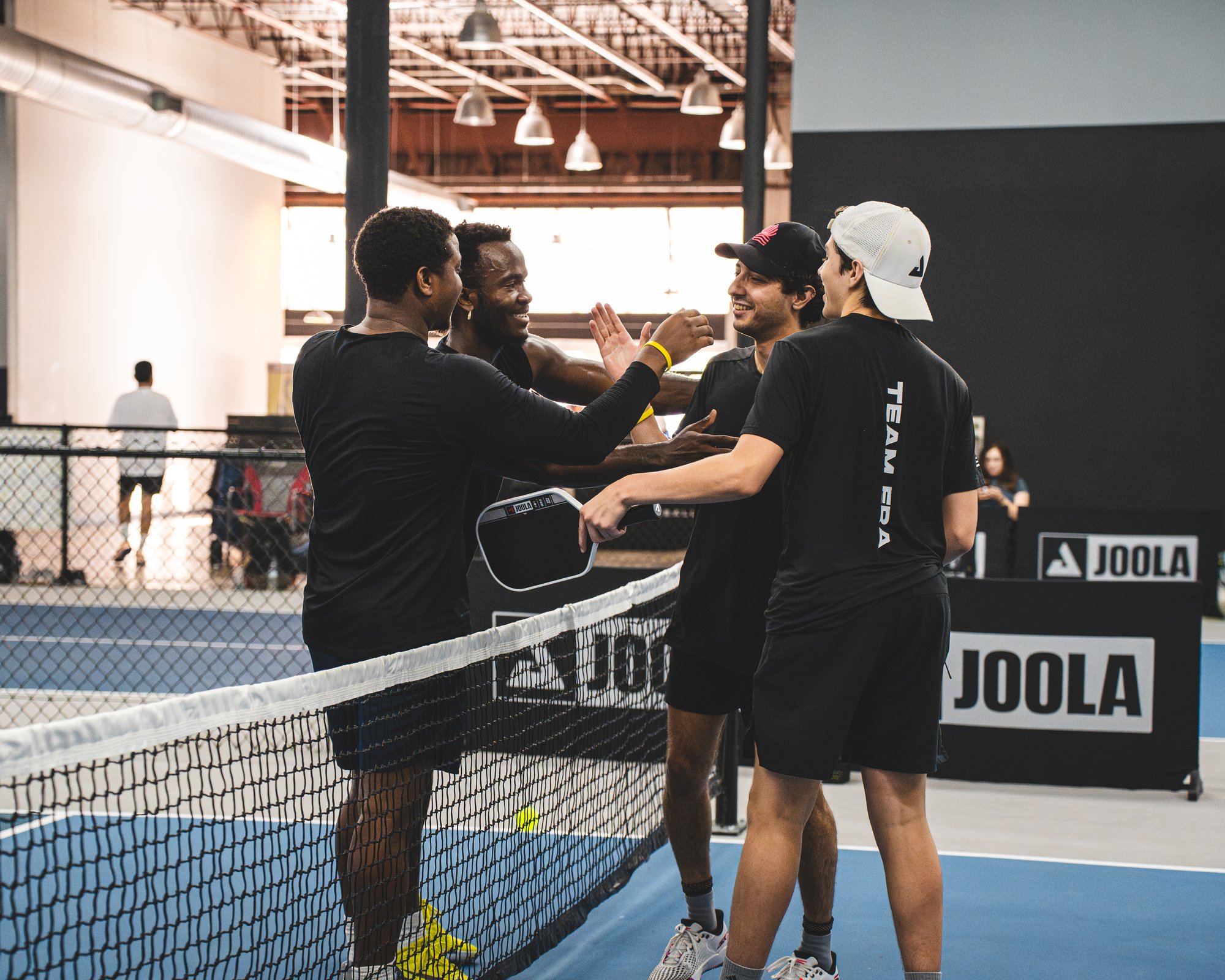
The community discounts are not merely about cutting price. They are about creating reliable access points to the sport. In a world where court time can be scarce and expensive in dense markets, Era Pickleball has built a model that recognizes the value of consistent practice and social play. The discounts are structured to reward commitment and collaboration rather than to cherry pick the easiest benefits. For a family with two early middle school players and a parent who wants to improve doubles, discounted blocks can translate into a weekly rhythm instead of sporadic sessions. For a local club, the same policy can transform a once-a-month event into a regular weekly staple. For a school team, the savings create room in a budget that must stretch across uniforms, travel, and coaching.
To understand the practicalities, it helps to map out how rental and discounts typically work in a center like Era Pickleball. You usually encounter a tiered system that acknowledges different usage patterns: casual one-off sessions, block bookings for a defined stretch of time, and event rentals that cover a larger footprint of courts with additional services. The first tier is straightforward: pay for time on a single court and play when you want. The second tier invites players to commit to a block of time, often a month or a quarter, with a reduced hourly rate. The third tier addresses the needs of a community event, a league, or a tournament, where multiple courts are used and extra staffing or equipment might be arranged.
If you plan to visit era pickleball center with a team or a group, I’d propose thinking in terms of three questions before you lock in a rental:
- How many courts and how much time do we actually need? It’s tempting to overbook when you’re excited, but the best outcomes come from a precise plan. A school drill day, for instance, often benefits from shorter blocks spread across a week rather than a long, uninterrupted session that nobody can complete without a break.
- What can we reasonably expect in terms of coaching or supervision? Programs that include coaching exchange ideas and structure. If you want a clinic or a structured practice, you’ll want to coordinate with the center staff about court availability, instructor ratios, and safety considerations.
- How do we track savings over the season? The discount system rewards consistency, so it helps to project your usage across several weeks or months. That way you can compare the actual spend against the baseline hourly rate and see where the benefit lands most clearly.
Community discounts are typically built around a philosophy of reciprocity. You gain access to more affordable court time by contributing to the local pickleball ecosystem in practical ways. A club may offer volunteer coverage for youth events, a school might host a fundraiser that benefits the center, or a local business could sponsor a tournament in exchange for promotional opportunities. These are not tokens or tokens masquerading as perks. They are real, measurable exchanges that help keep court time affordable for participants who may not have large budgets, while simultaneously sustaining the operations that keep the facility vibrant.
A critical detail for anyone evaluating era pickleball center is the standard of transparency. The front desk is usually prepared to walk you through the pricing structure, the steps to lock in a block, and the terms for rescheduling or canceling. There is nothing worse than showing up with a plan that hinges on a discounted rate only to discover a mountain of disclaimers and exceptions. The most dependable centers publish their policies in a friendly, accessible format and then train their staff to apply them consistently. That is what you want when you are trying to coordinate a group event, a team practice, or a weekend get-together with friends.
For players who are developing a routine, cost savings become a twice as valuable when they align with consistency. In practice, weeks that include two or three shorter sessions can be more productive for a developing doubles pair than one long session that leaves both players exhausted. The idea is not to squeeze every minute and pretend that the savings justify overdoing it. It is to enable a sustainable rhythm of play that reinforces learning, steady improvement, and the social glue that keeps players returning.
If there is a trade-off to be understood, it is this: discount programs inside a community facility are only as good as the reliability behind them. That means the staff and management must maintain accurate scheduling, fair enforcement of policies, and timely communication when plans shift. Delays, last minute cancellations, and confusion about court availability undermine trust and can dilute the benefit of the program. Era Pickleball, like any strong community hub, prioritizes a culture of reliability. People come to pickleball to reconnect with a sport that rewards clear goals, honest effort, and friendly competition. The discount framework is there to support that aim, not to undermine it.
What does a typical booking experience look like for a community-minded player? An individual might start by browsing the center’s online booking system or calling the front desk. The interface is designed to be intuitive, showing available time slots, court numbers, and the price per hour for each option. If you notice a discount banner or a “block booking” label, you can click through to see what that particular rate includes. Some institutions also offer a streamlined process for organizations that want to reserve multiple courts for a recurring period. In those cases, a representative will often walk through the options, confirm the number of courts involved, the duration of the rental, and any add-ons such as ball machines, coaching staff, or line judges.
Add-ons are a practical way to tailor a rental to your exact needs. For example, if you are running a kids clinic, you might want a few balls machines to keep the pace high for drills, while for a league night you may need more official line judges or a dedicated scorer. The more you know about your event, the easier it is for the center to assemble a package that fits. That kind of flexibility is part of the value proposition of rental at era pickleball center. It’s not simply a matter of paying for time; it is about building an experience that matches your goals, whether those goals are skill development, social bonding, or fundraising.
From a coaching perspective, discounts are also a signal that the center understands the needs of serious players who justify higher training volumes. A club that books a consistent block with a scheduled practice plan allows a coach to design a progressive program. The coach can allocate emphasis on certain aspects of the game week after week, moving from technique in the kitchen to strategic play at the net. For doubles teams, regular rhythm is especially crucial; it helps partners align on communication patterns, court coverage, and service strategy. The ability to plan ahead reduces the friction of trying to fit in a practice around other life commitments and keeps a team on track toward this website serious improvement.
For families, the impact of community discounts can be more tangible than the numbers on a price tag. You will notice it in the way your kids talk about practice, in the cadence of Saturday games, in the way a parent can carve out a few hours for a personal session without feeling guilty about the cost. The economics become a backdrop to a more meaningful outcome: a family culture that values sport, activity, and shared time. When a center makes time affordable and predictable, it quietly reshapes a neighborhood’s relationship with sport. Kids learn that regular practice does not require a parent to mortgage the weekend. Adults discover that a friendly, supportive environment can be the differentiator between sticking with a program and drifting away.
In practice, the most successful community rental programs are not simply a discount for the sake of discounting. They are a signal that the center stands with the community it serves. They will often be paired with outreach initiatives that bring more beginners into the fold, then invite those beginners to stay as regular players as they gain confidence and skill. A well designed discount program becomes a gateway, not a gatekeeper. It opens doors for people who might otherwise feel intimidated by the cost or the perceived complexity of joining a local pickleball scene.
To offer a sense of the scale and the potential effect, imagine a mid-sized town where Era Pickleball hosts a weekly series for new players. The way discounts work here is simple: a reduced hourly rate for first-time participants, complemented by a discounted starter kit for the first month that includes a few basics like paddle grips and hydration bottles. The series might run for six weeks, with an optional extension if participants want to continue. By week four, you can observe a shift in the room. The new players gain confidence, they tag along for doubles mini-sessions, and the veterans are rewarded by an uptick in attendance. It is a cycle that reinforces itself: discounts attract participants who stay, and those participants help create the social momentum that makes a center feel like a shared resource rather than a segregated venue.
Part of the nuance in implementing community discounts is the recognition that not all players have the same needs. Some are drawn to the social element, others to the competitive flavor, and still others to the structured coaching track. A robust program acknowledges this diversity by offering a menu of options that can be combined. For example, a league night might come with a reduced court rate and a complimentary coaching session for new players. A school group could be offered a block booking that guarantees practice on the same days and times, with a bundled rate that includes court time and a soft cap on equipment rental. The key is clarity: all terms should be explained up front so there are no surprises when the bill arrives.
Renting a court at era pickleball center is not only a transaction. It is the connective tissue that binds individuals into a community of practice. The best outcomes come when players treat the space as a shared resource that thrives on consistent participation, respectful competition, and a willingness to contribute back. The discount program is not a feature to be exploited; it is a framework designed to sustain the center and grow the sport at the same time. The more players take advantage of it in a way that respects the facility and others, the more durable the offering becomes for everyone.
If you are reading this and wondering how to move forward, the practical path is straightforward. Start by identifying your primary use case. Are you planning a recurring practice with a local club, a youth program for a school, or a weekend social event for friends and family? Gather the basics: expected number of participants, preferred days and times, any special equipment needs, and the level of coaching or officiating you anticipate. Then connect with the staff at era pickleball center to discuss available blocks, the exact discount calculus, and any seasonal considerations such as maintenance weeks or holiday closings. Don’t hesitate to ask about how to apply discounts to multiple bookings within a season, or whether there are referral bonuses for bringing new players into the center.
Two practical notes that tend to matter in real life. First, ask for written confirmation of the booking details and the discount terms. A short email summarizing the agreed schedule, the net price after discounts, and the cancellation policy will save a lot of friction if life throws a curveball. Second, clarify what happens if your group grows or shrinks. If you suddenly need more courts due to a surge in participation, can the center expand the booking within the same discount tier, or will you be asked to move to a different arrangement? Knowing the answer in advance reduces stress and helps you plan the season with greater confidence.
In the end, the heart of era pickleball center’s court rental program is not a clever pricing gimmick. It is a deliberate choice to invest in the people who take up the sport seriously enough to want regular practice, while still welcoming newcomers who are trying it for the first time. It is a recognition that the real energy in pickleball happens not on the court alone but in the conversations before warmups, in the shared stories after a match, and in the quiet moment when someone finally nails a serve return they have chased for weeks. It is about building a neighborhood where sportsmanship, curiosity, and steady effort have a chance to flourish together.
As you consider whether to tap into the community discount framework at era pickleball center, you may also reflect on the longer-term impact on your local ecosystem. A center that makes court time accessible can become a magnet for talent. It draws players who might otherwise pursue the sport elsewhere, encourages families to be more physically active together, and helps local coaches test and refine drills with a broader audience. The cumulative effect is a stronger, more resilient pickleball scene that can sustain itself through seasons of change, competition, and growth.
I have watched players return week after week because the scheduling is predictable, the courts are well maintained, and the atmosphere remains respectful and supportive. I have watched a high school team, after a rough start, find a cadence that carried them through a league season more confidently than they imagined. I have seen a grandma join a weekend social for the first time and find herself smiling through a game that once felt intimidating. The thread tying all these moments together is not simply the price tag but the sense that a community center cares enough to make the sport accessible, legible, and welcoming.
If you want to go deeper, you can consider combining a court rental with other Era Pickleball offerings. The center often hosts clinics that target specific skills, from dinking finesse to aggressive poaching strategies. These clinics can be a natural complement to a rental block, turning a flat time slot into a learning experience that accelerates progress. For families and clubs, this layered approach adds value, turning casual drops-in to structured practice, while preserving the flexibility that makes casual participation appealing.
In closing, era pickleball center demonstrates how a well thought out court rental program can become a cornerstone of a healthy local sports culture. The community discounts are not merely a price reduction; they are a signal that the center values ongoing participation, consistent practice, and the social glue that makes a sport more than a pastime. If you are seeking a practical path to integrate pickleball into your weekly routine, or you are an organizer looking to cultivate a stable, engaged group, the model offers tangible benefits, clear expectations, and a warm invitation to join a growing network of players who understand that a shared space works best when it is accessible, reliable, and welcoming.
Two concise reflections for leaders and organizers:
- Build a flexible booking framework that aligns with real-world usage, not abstract budgets. A practical mix of single court slots, short blocks, and full-event packages helps different groups find a comfortable entry point and a sustainable cadence over weeks and months.
- Communicate early, often, and transparently. The most durable community discounts emerge when players know what to expect and feel confident that the terms will hold steady. Clarity reduces friction, and friction is the enemy of uptake.
If this approach resonates with you, I recommend starting with a no-frills inquiry: ask for the current tier structure, a sample block quote, and a breakdown of any add-ons you might need for a clinic or a tournament. From there, you can map a season that fits your goals, your budget, and your calendar. The era pickleball center is built to be a home for those ambitions, a place where a routine practice can become a habit and a simple court rental can grow into a thriving small community.