Era Pickleball: Indoor Courts Close to Home
The first time I walked into an Era Pickleball facility, the air hummed with the soft thwack of paddles and the steady rhythm of sneakers on polished hardwood. It wasn't just the sport that drew me in, but the environment: bright, clean courts, a friendly front desk, and an undercurrent of serious play that never tipped into intimidation. Era Pickleball has built a network of indoor courts that feel like a neighborhood gym where every day brings a new matchup, a new rally, a new slice that catches the edge of a baseline and shocks the crowd into a cheer. For players chasing consistency, for beginners learning to lob without panic, for families seeking a weekend ritual, Era Pickleball's indoor facilities offer something tangible: proximity, reliability, and a culture that values both competition and community.
If you live anywhere near a metro area or a growing suburban corridor, you’ve probably heard whispers about Era Pickleball. The brand has positioned itself as more than a chain of courts. It’s a hub where the sport’s practice, play, and social life coexist in a way that respects time, energy, and personal goals. While outdoor courts carry their own charm—the sun-warmed wood, the scent of cut grass, the thrill of a sunset point—indoor venues provide a steadier canvas. They’re predictable in a way that makes training possible, day after day, rain or shine, winter or late summer heat. That predictability matters when you’re building a consistent routine around work, school, and family commitments.
The practical benefits of Era Pickleball's indoor courts begin to reveal themselves once you start planning around a weekly schedule rather than a seasonal one. For many players, an indoor court within a short drive changes everything. The car window becomes a portal to practice rather than a reminder of excuses. I’ve personally noticed the difference in pace and mood when I don’t have to plan around unpredictable weather. The drive to the facility feels like a pre-game warm-up: a quick playlist, a mental checklist, and then the unmistakable sound of balls meeting paddles as you step onto the court.
Urban and suburban communities increasingly house Era Pickleball centers in spaces that once held other sports or retail floors. The result is a facility that meets players where they are: near schools, near workplaces, near apartment complexes, and near the weekend habit of families who want something active yet low-stress to do together. Inside, you’ll encounter a blend of serious athletes and casual players. The lines blur in the best way, with a shared love of the sport creating a common language across ages and skill levels.
What makes an indoor Era Pickleball court distinctive? Several elements work in concert. First, the flooring is engineered for durability and grip. The surface typically balances bounce, traction, and knee-friendly give. It’s not glassy perfection, but it’s predictable enough to let you chase a backhand cross-court with confidence. Lighting is bright enough to eliminate any sense of shadows that can obscure a ball’s flight, yet not so glare-heavy that it fatigue the eyes after long stretches of play. The nets are taut and consistent; a foot fault becomes a personal embarrassment rather than a referee’s call you reflexively fear. If you’re in the middle of a match, the last thing you want is an unexpected bounce that throws off your timing. Era’s indoor courts aim to minimize those disruptions.
During my first few visits, I focused on the little rituals that make a place feel welcoming. I’d arrive early, pass through the front doors, and exchange greetings with staff who remembered my name after a handful of check-ins. A quick warm-up routine followed: a few gentle shoulder circles, light footwork drills, and a couple of serves to reacquaint the stroke with the ball. The atmosphere didn’t punish mistakes; it acknowledged effort and offered tiny corrections that added up. That’s the hidden strength of a well-run indoor facility: confidence builds fast when you feel supported, even on a tough day.
A young player I coached recently joined Era Pickleball with a plan. He wanted to improve his dinking accuracy and shorten his reaction time at the net. We started with a simple protocol: two weeks of consistent indoor sessions, emphasizing footwork patterns and serve return shapes. By the end of the second week, his short-game reads had sharpened noticeably. He could finish more points at the kitchen line and began to choose opportunities rather than chase every ball. The environment mattered here too. In an indoor setting, ambient noise from crowds was never overwhelming, which allowed him to hear the ball contact more clearly and adjust his grip pressure in real time. Small, incremental gains like these aren’t dramatic on a day-to-day basis, but they compound into tournament-ready performance over months.
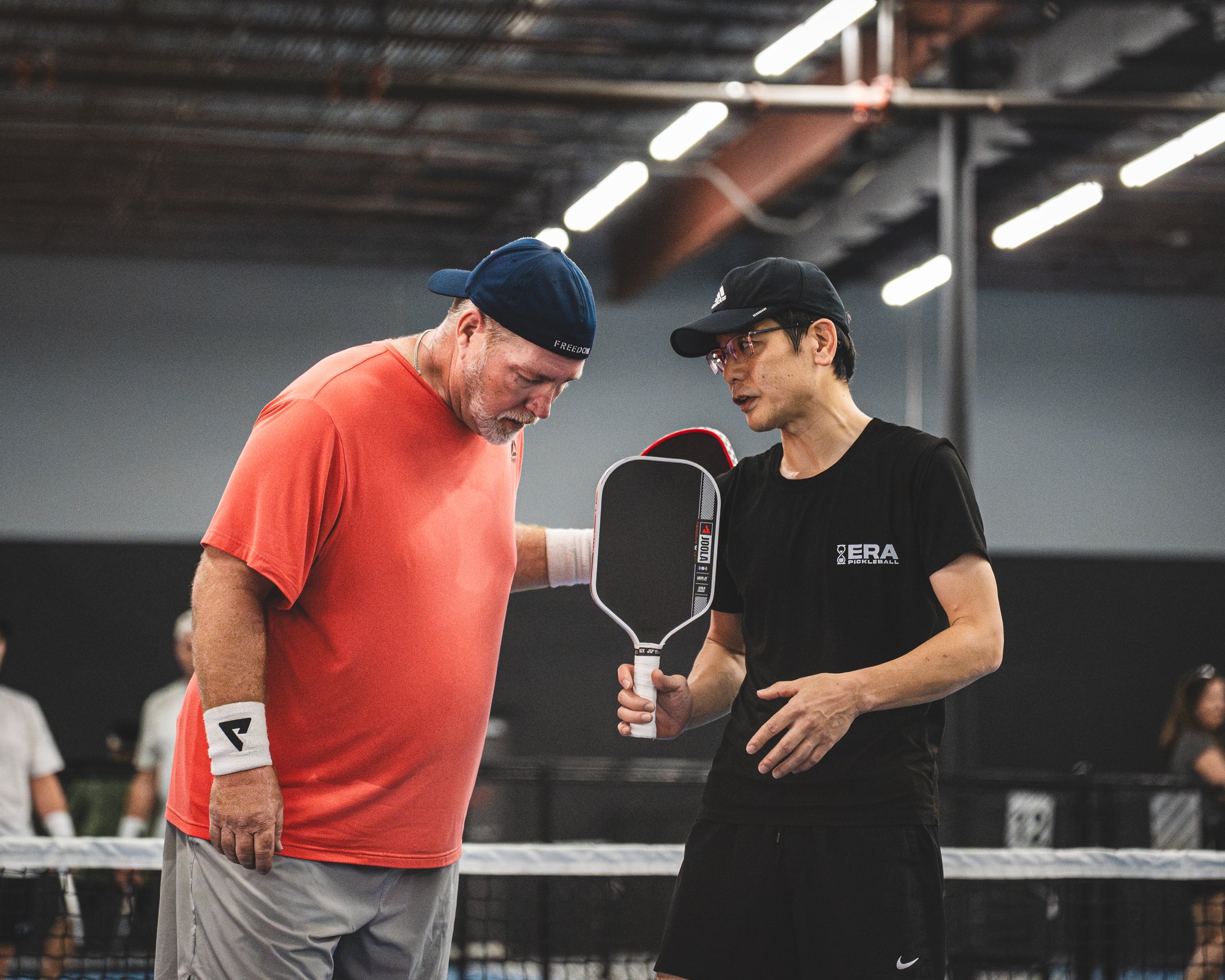
From a social lens, Era Pickleball indoor courts create a micro-economy of relationships that can be just as valuable as the physical space. The courts become a stage for casual doubles, unpredictable ladder formats, and spontaneous clinics hosted by more experienced players. It’s common to see a consistent group of players rotate in and out on weeknights, a rhythm that fosters trust and accountability. A reliable practice partner becomes a virtue, not a luxury. This is particularly meaningful for newer players who need a steady stream of feedback without the intimidation factor of a fully professional circuit. The staff at Era venues often facilitate these connections with courtesy and professionalism, guiding players toward right-fit clinics, social rounds, and beginner-friendly leagues without pushing them into uncomfortable spotlight moments.
The economics of indoor play is another practical angle worth considering. Yes, there’s a membership structure, and yes, you’ll encounter drop-in fees on busy evenings. But these costs translate into predictable access: multiple courts, same-day court availability, and priority booking windows that help families align weekend plans without juggling a dozen calendars. For households with busy schedules, that predictability can be the tipping point between a sporadic hobby and a steadfast routine. Over time, the arithmetic changes. When you’re paying for a season of indoor play, you’re investing in muscle memory, routine, and a social network that makes leaving the house feel less daunting, especially after a long day at work.
If you’re new to Era Pickleball or considering a move from outdoor to indoor play, there are a few cross-over truths that help bridge the gap. First, indoor courts are forgiving of inconsistent weather, but they aren’t forgiving of inconsistent practice. The best routines inside a facility revolve around consistent scheduling, a plan for progression, and a willingness to track small improvements. For players who are curious about the dynamics of indoor play, the following points are worth noting.
- Footwork is king in any pickleball setting, but indoor spaces demand precision. The floor is typically less forgiving of missteps, so a steady cadence and light, quick steps at the net can create a reliable path to success.
- The kitchen line becomes a strategic playground. In indoor play, players often set up traps and feints that force opponents to read anticipation rather than power, which can level the field against bigger, more aggressive players.
- Serving accuracy matters more than pure power. A precise, well-placed serve sets up the first two or three exchanges, and that advantage compounds when rallies lengthen.
- Communication with partners saves points. Doubles is as much about callouts as it is about shot selection. Indoor acoustics can amplify your team’s coordination when you talk through tactics in a calm voice.
- Recovery and warmth stay consistent. Indoor climates are controlled, meaning muscles stay warm longer. This reduces the risk of strains on back-to-back matches and helps players avoid the dreaded cooling-off period that disrupts timing.
For families and group outings, Era Pickleball’s indoor facilities shine in their ability to accommodate mixed skill sets. A common scenario: one parent who loves the sport and a teen who is curious but not yet committed. Indoors, the learning curve can be softened by the presence of coaches who know how to pace instruction. A 60-minute clinic might be followed by a casual doubles round where beginners can be paired with more experienced players in a supportive arrangement. The result is a day that offers something for everyone, not a single adults-only session that leaves younger players on the bench. This is how a local pickleball culture grows not only in skill but in shared routines and a sense of belonging.
In considering where to start, many readers will ask about proximity. The phrase pickleball near me is practical because the geography matters, especially if you’re balancing school, after-school activities, and a commute. Era Pickleball has aimed to locate facilities within reasonable driving distance for the average family, a factor that reduces friction and makes regular attendance feasible. The first step is to map your week and identify the slots that work for you. If the kids have a late soccer practice on Tuesdays, that might be a perfect window for an hour at Era’s indoor courts, followed by a family dinner that feels earned rather than rushed. If your job allows flexible hours, an early morning session before work can be a surprising way to reset your energy and carry focus into the day ahead. The point is not simply to play more; it’s to play smarter by integrating the sport into life’s routine rather than trying to squeeze life around a hobby.
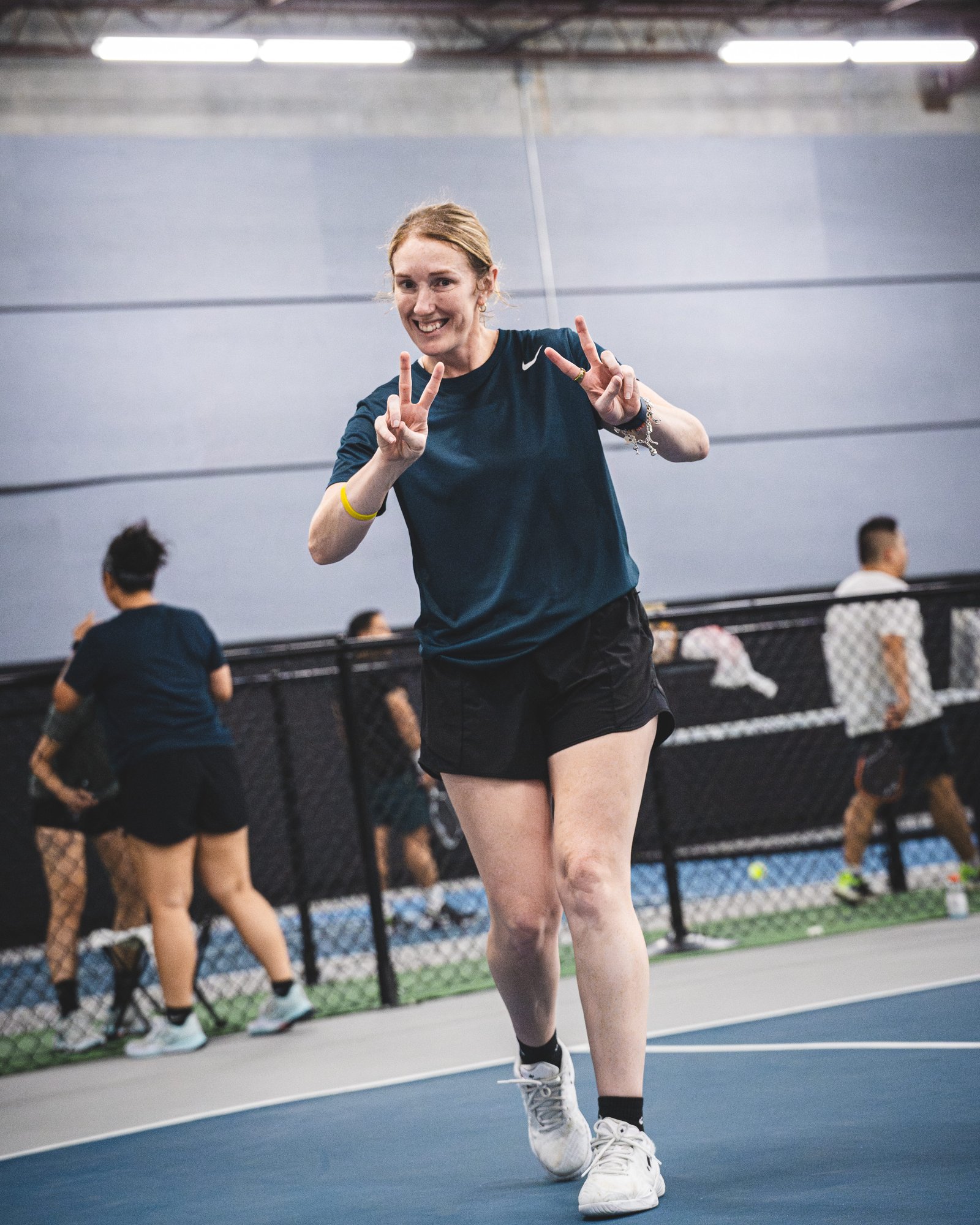
What about the conversation around facilities beyond the four walls of a gym? There is a robust ecosystem tied to the Era Pickleball brand that includes leagues, lessons, and membership benefits. Leagues are fertile ground for players who want to level up through consistent competition. They provide structured schedules, standardized rules, and a cadence that helps players measure progress with clarity. For those who prefer a gentler entry into organized play, lessons offer a curated path: a few foundational clinics focusing on grip, stance, and shot selection, followed by more advanced sessions on strategy and shot variety. Memberships often bundle practice time with access to clinics and reduced rates for events, creating a long-tail incentive to commit to a regular rhythm. The value is not only in playing more; it’s in playing with intention—building a skill set that translates into improved performance on court and a deeper sense of purpose off it.
As with any sport, the human element remains central. The best experiences at Era Pickleball come from people who approach the game with curiosity, kindness, and a streak of competitive grit. You’ll meet players who have spent years chasing a particular shot and others who treat the sport as a social outlet that keeps them active and connected. The best conversations often happen between matches, during quick drills, or in the warm-up area where players trade recommendations on paddle brands, grip sizes, and which clinics are worth their time. That blend of mentorship and camaraderie is where indoor venues show their true value. It’s not just about winning points; it’s about winning the day by staying active, keeping stress low, and leaving with a plan for the next practice.
If you’re evaluating Era Pickleball as your home court, a few ground truths emerge from real-world use. The indoor space matters, but the culture behind it matters even more. The courts are a tool—the real asset is the community that collects around them. The best players are not those who simply rely on athletic prowess; they are the ones who study the game, correct themselves after a mistake, and lift others as they climb. In that sense, Era Pickleball does more than provide indoor space. It offers a learning environment that respects the pace of each athlete and the goals that drive them.
The logic behind the indoor model is compelling for a broad swath of players. Beginners can access the sport without intimidation, families can build a routine, and serious players can pursue competition without sacrificing consistency. Even for the most seasoned weekend warrior, the indoor format provides a controlled space to sharpen the tools at hand—footwork, serve placement, net play, and strategic shot selection—without the variable of outdoor weather creating unpredictable bounces or gusts that disrupt timing.
If you’re curious about specifics, it helps to know what to look for when you visit an Era Pickleball facility. Start with the layout. Are courts clearly marked and accessible? Is there a comfortable grandstand or seating area for spectators and families? Look for a well-lit environment where ball tracking is easy and there are minimal visual distractions. The staff should be approachable and able to answer questions about court reservations, leagues, and coaching options. A well-run indoor facility feels serene on the surface and deeply functional beneath. You should sense a rhythm: a steady flow of players, a front desk that is efficient without feeling rigid, and a set of practice amenities that make short trips to the court a productive part of your day, not a burden.
The evolution of Era Pickleball’s indoor spaces has not happened by accident. It reflects a broader trend in the sport—a shift toward accessible, consistent, and community-oriented play. Players who once relied on outdoor weather windows now find a reliable home inside facilities that champion performance without requiring constant travel or weather-related worry. This shift does not erase the beauty of outdoor play, but it does redefine what it means to train, compete, and connect through pickleball on a weekly cadence that respects modern life.
For anyone considering making Era Pickleball part of their regular routine, a practical path forward can be surprisingly simple. Start by visiting the nearest indoor court and observing for a date or two. Notice how the space handles peak hours, how easy it is to book a court, and whether the staff can point you toward a beginner-friendly clinic or a ladder league that suits your current level. If you’ve never taken a formal lesson, try a 60-minute session focused on fundamentals. If you’re a returning player, look for a mid-level clinic or a strategy-focused session that explores shot selection, court positioning, and partner communication. Bring a willingness to learn, a reasonable level of fitness, and a couple of spare paddles in your bag so you don’t have to borrow equipment during a mid-practice hour.
Beyond individual growth, there is a larger social dimension to Era Pickleball that’s worth acknowledging. The sport has a way of weaving itself into the daily fabric of people’s lives—carving out a space where families gather on a weekend, friends meet after work, and neighbors become training partners with a shared purpose. The indoor setting accelerates that social loop by removing weather as a variable and by offering a predictable schedule. When you consistently show up, you begin to see familiar faces, recognize new players in the rotation, and feel a sense of belonging that goes beyond a simple game score.
The long-term impact of playing pickleball inside an Era facility also translates into measurable health and wellness benefits. Regular movement improves cardiovascular endurance, balance, and coordination, while the social aspect reduces stress and increases motivation to stay active. For many, the sport becomes a sustainable habit because the environment supports consistency. You don’t chase a single victory; you build a loop of improvement that lasts through the week and into the weekend. In that sense, indoor courts do more than host matches; they host a way of life that can be easier to maintain amid the complexities of contemporary living.
As with any growing community, there are edge cases and trade-offs to consider. Indoor facilities typically come with a membership model that can feel like a commitment, especially for casual players who want to test the waters before signing on. If you’re that person, look for options that allow flexible scheduling, guest passes, or trial periods. Another factor is space: some arenas pack more courts into a single footprint than others. A dense, multi-court layout can be excellent for practice but may feel erapickleball.com crowded during peak times. If you value quiet, strategic practice, you may prefer facilities that balance this density with quieter clinic rooms or smaller courts dedicated to instructional play. Finally, check on maintenance standards. A clean, well-kept environment signals attention to detail and a culture that values safety and longevity for both players and equipment.
In the end, Era Pickleball indoor courts are not merely a venue; they are a platform. A platform for learning, for competition, and for connection. They offer a predictable, supportive space where players from different backgrounds can share a common language and a common purpose: to move more, learn more, and enjoy the process of getting better together. The result is a community that feels bigger than the square footage of the building and deeper than the score on a scoreboard. It’s an ecosystem that recognizes the practical realities of modern life while honoring the timeless appeal of a sport that rewards smart play, consistent practice, and collective momentum.
For anyone charting a path into pickleball or seeking a more reliable home base for the game, Era Pickleball’s indoor courts deserve a serious look. They provide the convenience of proximity, the comfort of climate-controlled play, and the richness of a learning culture that encourages you to show up, try again, and improve with purpose. And if you’re fortunate enough to discover a facility that feels like a second home, you’ll know what all the talk is about: a space where the paddle meets the ball, the court meets the community, and you meet a version of yourself that you’re excited to become on the days you walk through the door.
Two more reflections from the field can help you decide if indoor Era Pickleball is right for you. First, think about your schedule and your goals. If you want to build a routine that sticks, indoor courts offer consistency that outdoor play rarely can. If your goal is to compete at a higher level and you live within a reasonable drive of an Era venue, you’ll likely find a natural progression path that aligns with your timeline. The second reflection is about the culture you want to join. If you value a supportive, collaborative atmosphere where players cheer for good shots and good efforts alike, Era’s indoor spaces often deliver that sense of belonging. If, on the other hand, you seek a purely solitary practice regime or a hyper-competitive environment without room for beginners, you may want to explore options that cater to a different vibe.
In the end, the question is not only where you play but how you play. Indoor courts offered by Era Pickleball provide a practical, welcoming, and increasingly essential piece of today’s pickleball puzzle. They bridge the gap between casual recreation and serious skill development. They connect neighborhoods to a sport that rewards quick thinking as much as quick reflexes. And they do so in a way that respects the realities of modern life: busy schedules, fluctuating energy, and the simple, undeniable truth that a good game can lift a day from ordinary to memorable.
A practical note for readers who want to take action today: if you’re searching for a place near you, start with your local Era Pickleball facility and check current offerings online. Many venues provide a clear calendar of leagues, clinics, and open play times. If you’re curious about pricing, ask about family memberships or bundles that combine court time with lessons. And if you’re unsure where to begin, consider signing up for a fundamentals clinic. With a little guidance and a few shared rallies, you’ll quickly discover that indoor pickleball isn’t just a pastime—it’s a reliable part of your weekly rhythm.
Two concise reflections for your decision-making process:
- Consistency drives improvement: indoor courts remove weather as a variable, so you can train, track progress, and plan your practice around real-world goals rather than seasonal availability.
- Community amplifies growth: the right facility builds a network of players and coaches who push you to elevate your game while making you feel supported at every step.
If you’ve read this far and you’re contemplating Era Pickleball for the first time, I would encourage you to treat the visit as a test drive. Bring your game face, but also your curiosity. Notice how staff respond to questions about coaching opportunities, how clean the courts appear, and how easy it is to schedule your first session. These small cues often reveal the kind of place you’ll be spending hours in, week after week. And as you step back into your life with a paddle tucked under your arm and a plan for your next practice, you’ll likely feel something you recognize from the earliest days of the sport: a confident spark that says you can get better, you can enjoy the process, and you can do it right in your own neighborhood.
For players who want a crisp map of what to do next, here are two short checklists you can reference without feeling overwhelmed. They can guide your first month of indoor play, keep you aligned with your goals, and help you harness the benefits of Era Pickleball’s indoor courts.
-
Steps to start
-
Identify the nearest Era Pickleball facility and review current offerings.
-
Book a fundamentals clinic or an introductory open play session.
-
Bring your own paddle or borrow a staff-approved loaner for the first session.
-
Establish a two- to four-week trial plan focusing on footwork, grip, and serve placement.
-
Track progress in a simple log: warm-up time, number of clean shot outcomes, and your perceived confidence on key shots.
-
How to grow once you’re hooked
-
Join a ladder or beginner-friendly league to gain consistent competition.
-
Schedule regular practice blocks with a partner to reinforce new skills.
-
Attend a quarterly clinics series on strategy and shot selection.
-
Experiment with paddle grip adjustments and court positioning during drills.
-
Build a social routine around a weekly playdate that includes a brief post-match debrief over coffee or a quick snack.
Era Pickleball’s indoor courts near you are more than just a physical space; they’re a set of opportunities to grow, connect, and enjoy a sport that rewards discipline and curiosity. If you’ve been on the fence about indoor play, the experience can be surprisingly uplifting, offering structure and spontaneity in equal measure. The next time you plan your week, consider factoring in a session at Era Pickleball. The difference in how you move, how you think about the game, and how you feel after a solid practice can be the kind of shift that turns a casual interest into a lasting habit.