Era Pickleball: Coaching Sessions That Build Winners
Coaching at Era Pickleball has always been more than a schedule of drills and games. It’s a philosophy that threads through every warm-up, every set, and every moment between points. When I started coaching here, I wanted a place where progress wasn’t measured only by wins on the scoreboard, but by the clarity of a player’s footwork, the confidence of their decision making, and the consistency of their shot selection under pressure. Over the years, what has emerged is a method that values purposeful repetition, sharp feedback, and a culture that rewards curiosity as much as effort. This piece isn’t a blueprint pasted from a book. It’s the lived experience of running pickleball classes at Era Pickleball, where each session is designed to deliver tangible gains for players at every level.
The gym smells faintly of chalk and new grip tape, a reminder that mastery in pickleball is a craft, not a hobby. The sport is unforgiving in its pace and its geometry. A ball that sits up on the sweet spot of the paddle can become a game changer, yet the room is filled with subtle realities that separate good players from great ones. The way a player reads an opponent’s paddle angle, the way their feet anchor themselves in the court, the way they compress their hips to generate power without compromising balance—these are the tiny, invisible edges that accumulate into real results.
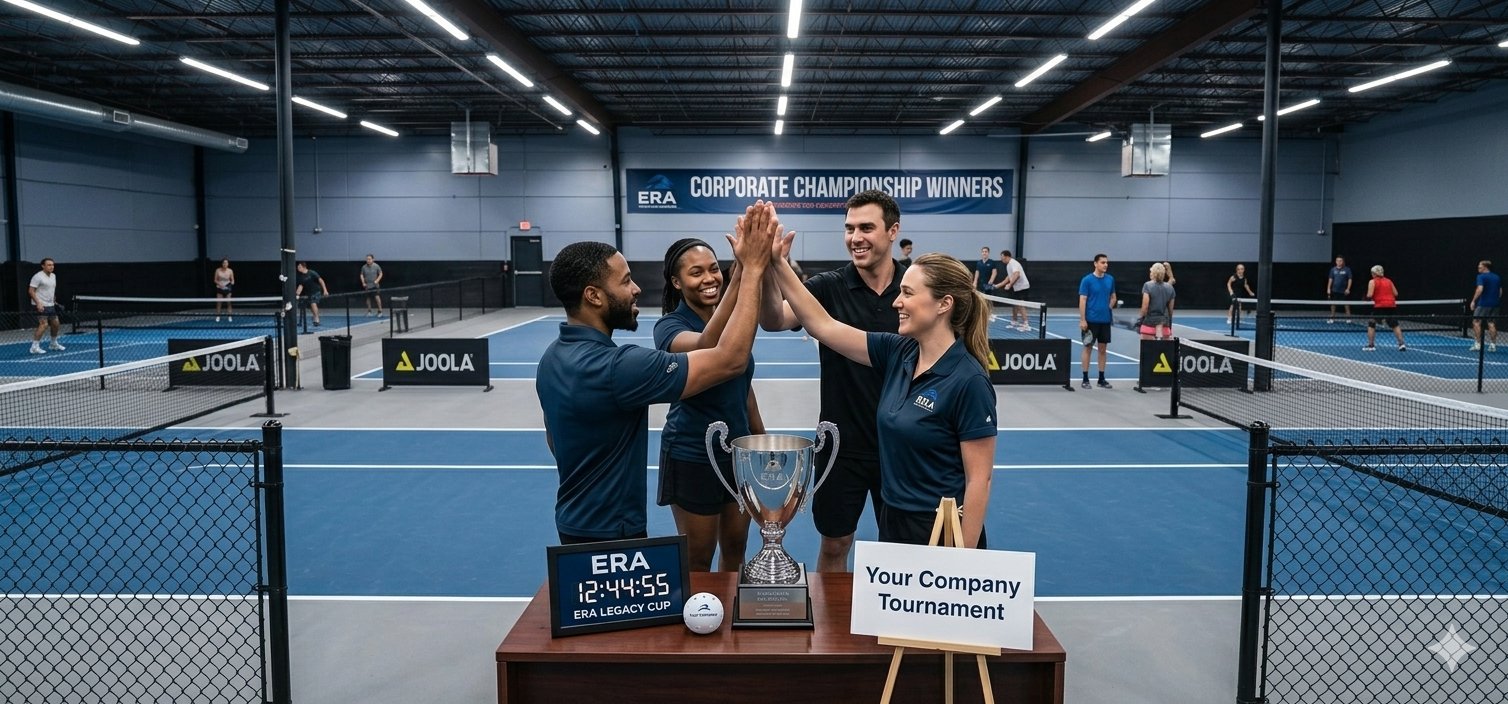
I’ve learned not to overpromise. Real improvement in pickleball coaching comes in increments, often visible only in the cadence of a player’s week. A missed forehand one week might become a reliable cross-court winner three weeks later. The breakthrough rarely arrives with a single session; it arrives through a sequence of moments where coaching cues land, practice becomes play, and competition feels less random and more navigable. The Era Pickleball approach is built around that idea: create conditions that reward repeatable decisions, provide feedback that travels from the court into the player’s memory, and design a pathway that makes sense to a student who wants to see clear, concrete progress.
The first question I ask a new class member is simple but revealing: what drew you to pickleball, and what do you want to be able to do at the end of the season that you can’t do today? The answers shape not just the drills for that block of sessions but the tone of the coaching environment. If a player is chasing net play with consistent short angles, we build drills that emphasize quick read then immediate action. If someone wants to improve their backhand and consistency from the baseline, the plan will lean into rhythm, footwork patterns, and shot-in-hand timing. The art here is balancing specificity with flexibility. We want players to feel anchored by a routine but free to explore and iterate within it.
This balance shows up in small, practical ways. We begin with a mobility sequence that is more than a warm-up; it is a reminder that prep work is not optional, it is the engine of performance. Then we move into the technical portion with a focus on one or two mechanics per block. The tempo shifts from deliberate to reactive as partners test each other with live drills. Finally, there is time for match play that tests the week’s learning and exposes gaps that require new feedback loops. Each phase has a purpose, and each player experiences a slightly different journey within the same framework.
The core of Era Pickleball coaching rests on three pillars: technique, decision making, and competition IQ. Technique is not about spectacle; it is about reliability. A clean drop shot, a crisp dink, or a controlled volley should feel effortless, almost anticipatory, because the body has practiced the move under pressure enough times to trust it. Decision making is about information flow. We teach players to read the opponent’s body language, to anticipate the next move, and to choose the solution that keeps them in a winning posture. Competition IQ is the art of applying the day’s learning to real moments. It’s about pacing, risk management, and the mental clarity to stay present when the scoreline tightens.
As with any sport that blends finesse with speed, there are constraints. The most obvious is time. A three-hour session can feel like a sprint and a marathon at once. We can cram in a tremendous amount of skill development, but the brain can only learn more absorb so much before fatigue erodes quality. The remedy is structure with room for improvisation. We set clear milestones for every drill, but we also leave space for a student to chase a personal curiosity or to test a variant that makes a drill more meaningful for them. The best learning often happens when a question arises in the moment and we adapt on the fly rather than sticking to a rigid script.
The era of coaching is also about community. Pickleball at Era Pickleball is not a solitary pursuit; it is a social practice that thrives on shared invention. When players watch each other execute a difficult shot, a quiet exchange happens—a suggestion, a correction, a nod of approval that travels across the court. That social texture matters as much as technique. It creates accountability, which is the fuel for consistent practice. It also creates a culture where players celebrate each other’s improvements, even when they are directly competing in the same drill. It is this culture, more than any single tactic, that makes coaching here distinctive.
The path from novice to confident competitor is rarely linear. It looks more like a staircase with moderate landings and a few unexpected steps. Some days a player will master the prepping motion for a dink and it will unlock a string of confident points. Other days, a misread of spin will require revisiting grip pressure and paddle angle. We meet players where they are, then we push them carefully toward the next rung. The push is never punitive; it’s educational, grounded in precise feedback and reinforced by purposeful practice. In time, the improvement shows up in the gym, on the court, and in the way a player carries themselves during a late, tight match.
One of the most meaningful shifts in coaching philosophy at Era Pickleball has been embracing variability within a stable framework. A stable framework gives players a predictable set of options in any situation. Variability challenges them to adapt those options across different court positions, shot types, and opponent styles. The result is not rigid mimicry of a single successful sequence, but a flexible repertoire that can be deployed when a match demands it. We encourage players to experiment within the boundaries of good technique and sound decision making. The payoff is resilience: the ability to stay sharp even when a rally stretches longer than expected or the wind changes mid-point.
From the perspective of a coach, the most satisfying moments often come not from a perfect rally but from a subtle correction that unlocks a new capability. I remember one player who struggled with pace control on their forehand drive. They could hit winners against beginners, but under pressure, the shot would sail long or tumble into net. We paused mid drill, adjusted grip pressure and body alignment, and retrained the sequence that creates a clean contact point. The change was almost imperceptible at first, a tighter wrist, a slower follow-through. Then, across subsequent sessions, the player began to generate comfortable pace at will, and the error count dropped dramatically in match play. That kind of progress is the true reward of patient coaching.
The coaching environment at Era Pickleball also places emphasis on injury awareness and long-term durability. Pickleball moves quickly, and the courts can demand repeated bursts of acceleration and deceleration. We teach players to protect the joints, especially the shoulders and knees, through proper warm-ups, strengthening routines, and attention to form. A small tweak in foot placement can reduce stress on the lower back during pivoting drills. If a player reports persistent pain, we adjust the plan rather than push through discomfort. The best long-term athletes are those who understand their bodies well enough to recognize when to push and when to rest, and our sessions are designed to cultivate that awareness.
Equipment selection and set-up also matter. We emphasize grip size, paddle balance, and stringing tension because the tool shapes the feel of every shot. A paddle with the right weight distribution can transform how a player controls the ball at the net. We don’t chase the most expensive gear for every student, but we do insist on consistency: the same paddle for a block of sessions to develop proper feel, a quality overgrip that remains reliable across drills, and a court setup that minimizes distractions. The subtlety of equipment choice rarely makes the loudest headlines, yet it often determines how quickly a player translates technique into action.
The broader landscape of coaching is not a solitary pursuit. It requires listening more than telling, and observation that is both patient and precise. I have learned to slow down when a student asks about a difficult concept and to speed up when a moment of momentum appears on the court. The ability to read those signals is what separates steady progress from stagnation. We measure progress by tangible outcomes: more consistent returns, smarter shot selection, and the ability to reset mentally after a misstep. We celebrate small wins as they accumulate, and we address challenges with a plan that respects where a player is in their journey.
The heart of any coaching program is structure. At Era Pickleball, the structure has evolved from a simple ladder of drills to a cohesive, week-to-week plan that aligns with season goals. A typical cycle emphasizes three layers: technique refinement, live decision making, and competitive simulation. The first layer is sometimes about a single technical tweak, the second about applying that tweak under pressure, and the third about translating that learning into the rhythm of a point-by-point contest. The integration across layers matters because it ensures that improvements in one area feed into another rather than remain isolated. It makes the coaching feel purposeful and deeply practical.
To write a map of these sessions would risk turning them into a recipe. The reality is that every group and every individual demands a slightly different flavor. Still, there are core patterns that recur across seasons. The session structure often begins with a precise warm-up that primes the exact movement patterns the day will demand. Then we move into technique blocks that are intentionally granular—favoring small, repeatable adjustments over sweeping but unsustainable changes. After that comes a set of live drills or a short match scenario designed to stress the learned skills in a controllable environment. Finally, we close with reflection and a clear plan for the next week. The goal is to leave the court with a sense of momentum, a better fluency in the sport’s language, and confidence that the next session will build on this foundation.
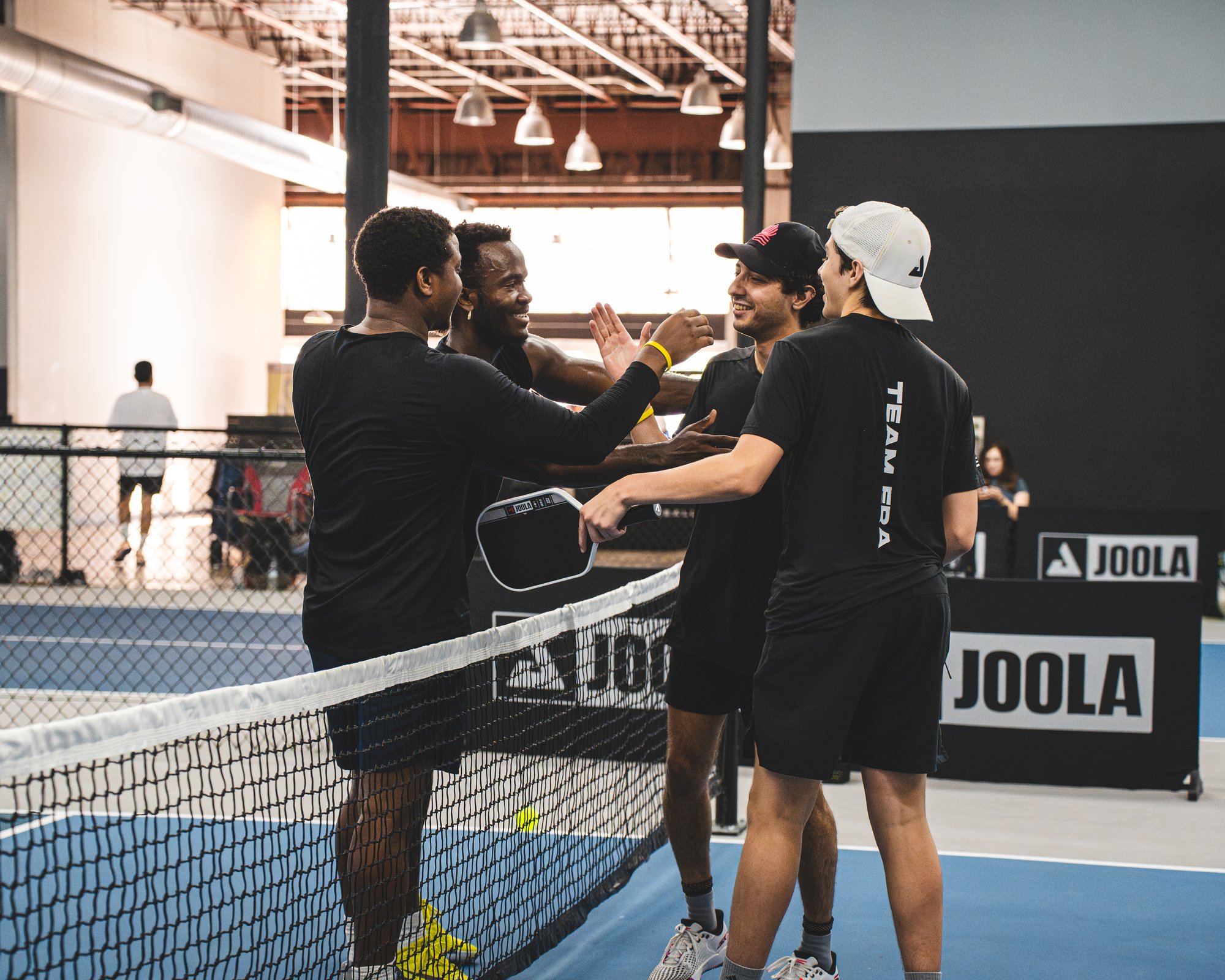
As players progress, their needs shift. Beginners thrive on clarity and security; intermediate players crave faster decision making; advanced players demand precision under pressure. The coach’s job is to tailor the pace, the complexity, and the feedback to match that progression. One concise way we frame this is by defining three communication modes: explain, show, and test. Explain is the quick, concrete rationale behind a technique; show is demonstration—either live by the coach or through a well-chosen video reference; test is a live drill or a short match that pushes the player to apply what they have learned. The most effective sessions blend these modes in a way that feels natural and unforced rather than formulaic.
No coaching article would be complete without talking about the personal chemistry that develops in a group. The best practice is to cultivate a positive, challenging atmosphere where players hold each other to high standards. That means corrective feedback that is specific, not judgmental, and praise that acknowledges both improvement and effort. It also means a culture where questions are welcomed, where players feel safe to try new shots or to admit when a concept hasn’t clicked yet. This social fabric matters because it converts repetitive practice into a shared pursuit. It turns a routine into a community, and communities tend to produce results that mirror their standards.
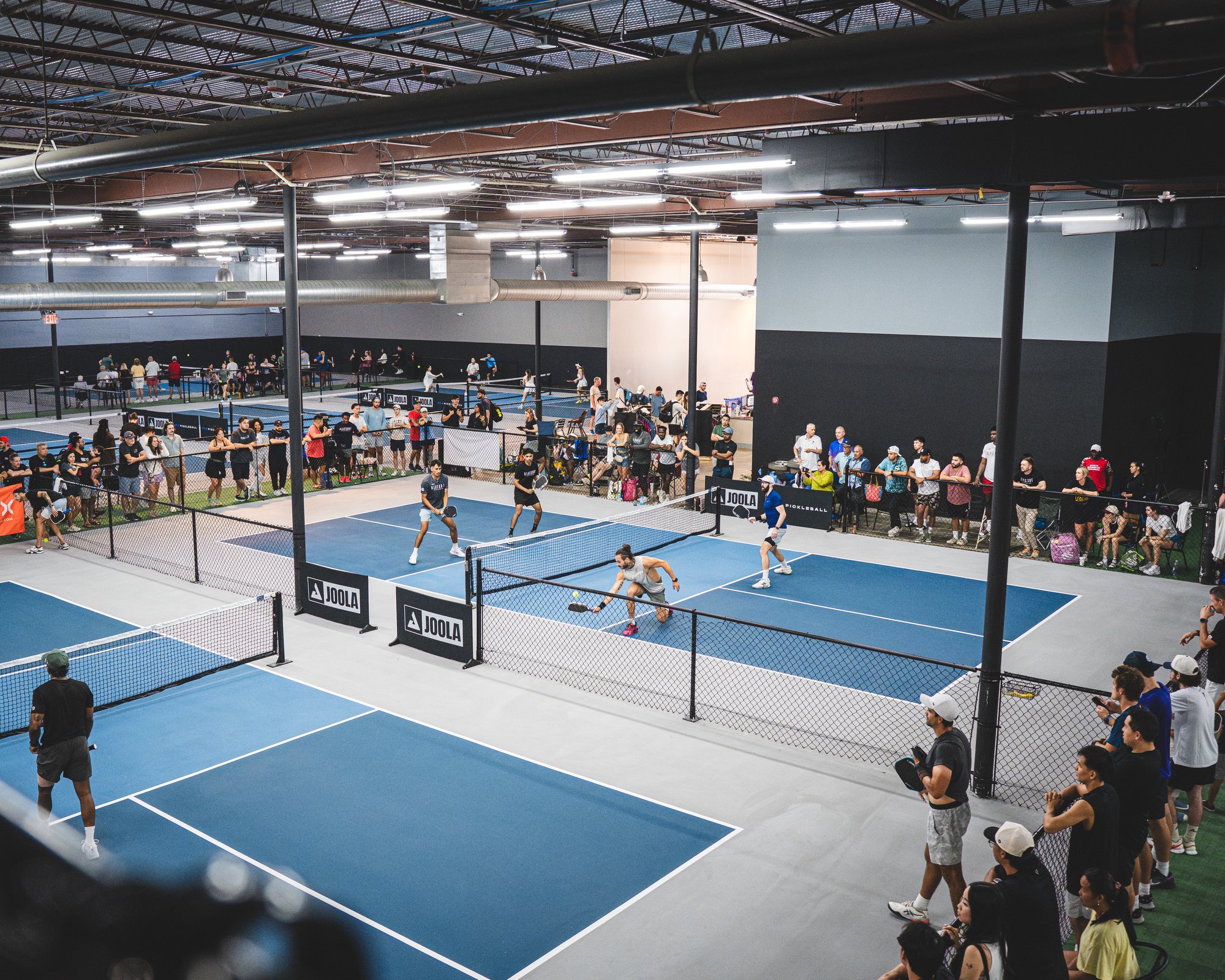
The end goal of coaching at Era Pickleball is not fame, not guru status, but durable, repeatable performance. We want players to walk off the court knowing exactly what will come next in a rally, and knowing how to react when it doesn’t. The real proof is in the mid-season rise: wins that come with smarter shot selection, the ability to grind out points during a long match, and the confidence to attempt aggressive plays when the moment calls for courage. It’s the difference between a player who can hit a remarkable shot in isolation and a player who can sustain a high level of play through a tournament weekend.
If you are considering joining Era Pickleball or enrolling in pickleball classes Era Pickleball offers, you should expect a program that respects the sport’s depth and rewards purposeful practice. The classes are designed to accommodate different skill levels without sacrificing rigor. You will find coaches who are patient and precise, who value your growth as much as your results. You will see a schedule that blends technique, tactical awareness, and competitive play in a way that feels coherent rather than random. And you will experience a culture that treats every rally as a learning opportunity, every mistake as information, and every improvement as a shared victory.
For those who are curious about the mechanics behind the coaching, here are two practical focal points that recur across sessions and seasons. The first is the art of pacing a drill sequence so that the player remains engaged without becoming overwhelmed. Pacing is about the tempo of feedback and the density of decision points. Too much information too quickly can overwhelm; too little can dull the learning edge. We calibrate this by watching for signs of cognitive fatigue, then shifting into a more physical or more visual mode. A tiny adjustment in the cadence—slowing one drill for a moment to allow for quiet processing, then ramping up again—can make the entire block feel cohesive rather than fragmented. The second focal point is the careful choreography of pressure. Live play is the ultimate test, but unstructured pressure breeds inconsistency. We design scenarios that mimic tournament pace, with defined constraints that force players to execute under stress while still preserving the safety and clarity of the learning objectives. These controlled pressures help players cultivate the mental resilience that long matches demand.
As the sport continues to evolve, so too will the coaching methods. The best practices are the ones that survive the test of time and adapt to new players and new styles. At Era Pickleball, we commit to observing, refining, and learning from every cohort of players. The result is a program that remains relevant, grounded in practical experience, and relentlessly focused on outcomes that matter on the court.
If you are a coach seeking to adopt a similar approach in your own program, there are a few guiding truths to carry forward. First, place the learner at the center of every decision. Your job is to illuminate pathways, not to impose your own preferences. Second, marry technique with decision making. A perfect stroke in practice is meaningless if it cannot be deployed in a rally. Third, build the culture you want to see on the court. The best players learn as much from their peers as from their coach, so foster an environment where feedback is part of the daily rhythm and not an event that happens only after a mistake. Finally, measure progress with clarity. Use consistent metrics that track both skill development and competitive performance, so players can see the link between practice and results.
Two lists that distill the essence of Era Pickleball coaching are included here to offer a compact reference for students and instructors alike. They are not the full story, but they capture the heart of the approach and the practical actions that players experience in sessions.
Five core drills or practice ideas that tend to anchor coaching blocks
- Short ball sequences that require rapid decision making at the net
- Crosscourt exchanges with control and variety to develop shot selection
- Targeted dink battles to improve touch and placement under pressure
- Baseline drives that focus on tempo, balance, and consistent contact
- Live serve return patterns designed to reveal weaknesses and build recovery speed
Five guiding principles for winning sessions
- Clarity over complexity; build a reliable foundation before layering in options
- Feedback that is immediate, specific, and actionable
- Structured variability so players learn to adapt within a stable framework
- Emphasis on safety and durability to sustain growth over a season
- Culture that prizes curiosity, accountability, and shared progress
Era Pickleball is not a single technique or a single drill. It is a holistic system that treats coaching as a craft, where the craft is taught through intention, repetition, and an ongoing dialogue between coach and player. The aim is to cultivate players who can walk onto any court with a sense of purpose, a clear plan, and the confidence that comes from knowing they have the tools to handle whatever the rally throws at them.
If you want to learn more about pickleball classes Era Pickleball offers, or you are considering how to integrate this model into your own program, reach out with curiosity and an openness to experimentation. The path to becoming a stronger, more complete player is not a single leap but a series of deliberate steps, each informed by observation, trial, and the quiet confidence that comes with consistent practice. In the end, success isn’t only measured in points won or titles earned. It is the quiet certainty that you have learned how to learn, and that learning translates into performance when it matters most.